Maitreyi Paradigm- The Art and Science of Being Happy
  • Home
  • Maitreyi
    • Artistic Expressions
    • The Yogini Journey
    • Magical Paradigm
    • Blog
    • Contact Me
  • Ascension
    • Ascension Insights
    • Energy Dimensions
    • Quantum Ascension
  • Himalayan Masters
    • Ashtanga Yoga
    • Sounds and Music
    • Vedic Wisdom
  • Self-Discovery Journals
    • Books
    • Everyday Use Journal-Notebooks
  • Healing
    • Arts and Crafts
    • Daily Inspiration
  • Magic
    • Crystal Energy
    • Natural Mysticism
    • Inspired Living
  • Lifestyle
    • Green Living
    • Wellness

What are the benefits of wearing a copper anklet?

3/25/2023

0 Comments


Benefits of wearing copper anklet

​Copper anklets have been gaining popularity not only as stylish accessories but also for the potential benefits they may offer. Let us look into some of these potential advantages in more detail.

Anti-inflammatory properties: One of the most talked-about benefits of copper is its possible anti-inflammatory effects. People who suffer from conditions like arthritis and joint pain often turn to copper anklets with the hope that wearing them may help reduce inflammation and provide some relief. 
Although scientific evidence is limited, many people claim to have experienced improvements in their symptoms after wearing copper anklets consistently.

Better circulation: Another reason some individuals wear copper anklets is the belief that they can improve blood circulation. Good circulation is crucial for maintaining cardiovascular health and preventing discomfort in the legs. Some even claim that wearing copper anklets helps to keep their legs feeling energized and less tired, especially after long periods of standing or walking. However, it's essential to remember that these claims are not supported by substantial scientific research.
Picture
Energy balance: According to ancient healing systems like Ayurveda, copper plays a role in balancing our body's energies. Proponents of this idea suggest that wearing a copper anklet can contribute to overall well-being and promote a sense of harmony within the body. This belief stems from the idea that copper can help balance the body's magnetic field, creating a more stable energetic environment.

Trace mineral absorption: It is believed that our skin can absorb small amounts of copper when in contact with copper jewelry, such as anklets. This absorption may provide the body with essential trace minerals that play a role in various physiological processes. Although the amount of copper absorbed is likely minimal, some people believe that this can still have a positive impact on overall health.

and something more...

In addition, copper anklets can be a fashionable addition to your outfit, giving it a unique and stylish touch. Also in some cultures, wearing copper anklets is a tradition that has been passed down through generations. People may choose to wear them to honor their heritage and maintain a connection to their cultural roots.

It is important to realize that these potential health benefits have been observed and indicated thru time and various cultural traditions. There is no concrete scientific evidence substantiating these claims. If you are considering wearing a copper anklet for health reasons, it is always a good idea to have a conversation with a healthcare practitioner as well as a natural health professional.

​They can help you better understand your concerns and provide appropriate guidance based on your individual needs. With that being said, if you enjoy the aesthetic appeal of copper anklets and find personal satisfaction in wearing them, they can be a beautiful and meaningful addition to your personal get-up.
0 Comments

The Healing Power of Ayurveda: A Time-Tested Path to Well-being

3/18/2023

0 Comments

 
Ayurveda, the ancient medical system that originated in India over 5,000 years ago, has continued to gain recognition for its holistic approach to health and well-being.

This time-tested practice is based on the idea that each individual has a unique constitution, and that maintaining balance between body, mind, and spirit is essential for optimal health.

​In this article, we will explore the fundamentals of Ayurveda, its diagnostic methods, and how it can benefit those seeking a natural path to wellness.
At the heart of Ayurveda is the concept of the three doshas – Vata, Pitta, and Kapha – which are derived from the five fundamental elements of nature: ether, air, fire, water, and earth. Each dosha represents a combination of these elements and governs specific physiological functions in the body. According to Ayurvedic principles, our unique balance of doshas, known as our prakriti, determines our physical, mental, and emotional traits.

One of the key objectives in Ayurveda is to maintain balance among the doshas, as imbalances can lead to various health issues. To achieve this, Ayurvedic practitioners use a combination of diagnostic methods, such as pulse analysis, tongue examination, and observation of physical appearance, to determine an individual's prakriti and any existing imbalances.

Based on this assessment, a personalized treatment plan is developed, which may include dietary recommendations, herbal remedies, lifestyle modifications, and other therapies.

Diet plays a crucial role in Ayurveda, as different foods are believed to have specific effects on the doshas. Ayurvedic practitioners often recommend consuming a diet that supports the individual's unique constitution, while also considering factors such as the season, climate, and one's age.

​For example, Vata types are advised to eat warm, nourishing foods to counteract their naturally cold and dry qualities, while Pitta types benefit from cooling, hydrating foods to help balance their fiery nature.
Picture
In addition to diet, Ayurveda emphasizes the importance of maintaining a healthy lifestyle that includes regular exercise, sufficient sleep, and stress management techniques such as meditation and yoga. These practices not only help to maintain dosha balance but also contribute to overall well-being by fostering self-awareness, mindfulness, and resilience.

Ayurveda also employs a variety of therapeutic treatments to address specific health concerns and promote overall wellness. These treatments may include herbal remedies, detoxification therapies like Panchakarma, and specialized massage techniques. The goal of these therapies is to cleanse and rejuvenate the body, restore dosha balance, and support the body's natural healing processes.

Ayurveda offers a comprehensive and personalized approach to health and wellness that has stood the test of time. By understanding our unique constitution and striving to maintain balance between the doshas, we can tap into the healing power of Ayurveda and embrace a more vibrant and harmonious way of life.

​As more people around the world discover the benefits of this ancient wisdom, Ayurveda will undoubtedly continue to play a significant role in the pursuit of holistic health and well-being.
0 Comments

The Healing Sounds of Tibetan Singing Bowls: A Journey into Ancient Vibrational Therapy

3/16/2023

0 Comments

 
Tibetan singing bowls, with their mesmerizing sounds and rich history, have long been revered for their ability to promote relaxation, healing, and spiritual growth. These unique instruments, originating from the Himalayan regions of Tibet, Nepal, and India, have been used for centuries in meditation, ceremonial rituals, and as a powerful tool for holistic healing.

​In this article, we delve into the fascinating world of Tibetan singing bowls, exploring their origins, uses, and the numerous benefits they offer to those who embrace their enchanting resonance.

The origins of Tibetan singing bowls can be traced back to the ancient Bon religion, a pre-Buddhist spiritual tradition practiced in Tibet. Over time, the use of singing bowls has spread across various spiritual and cultural practices, including Buddhism and shamanism. Traditionally made from a combination of seven metals – gold, silver, copper, iron, tin, lead, and mercury – the bowls are meticulously crafted by skilled artisans, who hammer and shape each bowl by hand. The precise composition of metals and the artistry involved in their creation give each singing bowl its distinct sound and vibrational properties.

To play a Tibetan singing bowl, the practitioner gently runs a mallet or wooden stick around the rim of the bowl, creating a continuous, resonant sound. The bowl can also be struck gently with the mallet to produce a rich, deep tone. When played, the bowls emit a complex harmony of frequencies that are said to have a profound impact on the listener's physical, emotional, and spiritual well-being.

The growing interest in alternative healing practices and mindfulness has led to a resurgence in the popularity of Tibetan singing bowls. Their soothing sounds and vibrations are believed to have a multitude of benefits, including:

1. Deep relaxation: The harmonic frequencies produced by singing bowls can help to quiet the mind, inducing a state of deep relaxation and inner peace. This calming effect is particularly useful in reducing stress and anxiety and can also serve as an aid to meditation.  

2. Balancing the body's energy centers: According to traditional Eastern medicine, the body has several energy centers or chakras that can become imbalanced due to stress, illness, or emotional turmoil. The vibrations produced by Tibetan singing bowls are said to help restore balance to these energy centers, promoting overall well-being and vitality.
Picture
3. Enhanced focus and clarity: The act of playing a singing bowl requires concentration and intention, which can help to sharpen focus and improve mental clarity. Additionally, the soothing sounds of the bowls can quiet mental chatter, allowing for a greater sense of presence and awareness.

4. Emotional healing: The vibrational frequencies emitted by singing bowls are thought to resonate with the body's cells, encouraging the release of emotional blockages and promoting emotional healing. This can lead to increased self-awareness, self-acceptance, and personal growth.

5. Pain relief: Some practitioners believe that the vibrations from Tibetan singing bowls can stimulate the body's natural healing processes, helping to alleviate physical pain and discomfort.

Tibetan singing bowls offer a unique and powerful means of promoting relaxation, healing, and spiritual growth. As more people discover the benefits of these ancient instruments, their popularity continues to rise, transcending cultural and geographical boundaries. Whether used as an aid to meditation, a tool for energy healing, or simply as a source of soothing sounds, Tibetan singing bowls can provide a deeply transformative experience for those who embrace their enchanting resonance.
0 Comments

What is Traditional Chinese Medicine (TCM)? How do the principles of Traditional Chinese Medicine help to promote health and wellness?

8/20/2022

0 Comments

 
Traditional Chinese Medicine, otherwise known as TCM, started in China and has been continuously evolving for over 5,000 years. Practitioners of TCM use herbal remedies and unique procedures, such as acupuncture, to treat a huge variety of conditions and problems.

​The most popular types of TCM include the natural, herbal remedies and acupuncture. Other popular options include massage, cupping, therapy and moxibustion. 
​The way TCM works differently from modern or western medicine is that it looks at the entire human body as a whole and finds out how illnesses are caused and treated in a different way.

TCM views our health and ability to form illnesses or diseases as a sign of imbalance in the body. 

​​Essentially, when “yin” and “yang” are in harmony. It is believed that our body functions off of Chi, which is continuously circulating throughout our body by using focal points known as “meridians.”
Therefore, to keep oneself healthy for life means to continuous evaluate and improve the harmony of the chi circulation. 
 
Nowadays acupuncture is used widely in the west, whereas other methods of TCM are still not as common to come by. Practitioners are able to bring TCM to people around the world and they spend many years training, earning qualifications and continuously learning about their craft.

​TCM requires a one-on-one session because it is a very personalized treatment. 

It is necessary to undergo an evaluation before having treatments from a TCM practitioner. The evaluation will include observation of the patient (such as viewing the condition of the tongue), interviewing, touching (such as to monitor the heart rate) and sense of scent and hearing.

​Chinese herbal medicine using plants, animal byproducts, minerals, flowers and plenty of natural resources in order to heal the body. Plants entire beings, from their flowers to their roots and seeds, are used with herbal medicine and are typically given to the patient in capsulated, loose leaf, essence or powder form.
The other popular practice of TCM is acupuncture, which uses designated points on our body in which a thin needle penetrates the skin and encourages proper flowing of Chi by getting rid of blockages.

Cupping is a method that uses a warm/hot cup to make a point of suction on the skin to remove toxins. It is typical to have a back, or area, full of little cups during a cupping procedure. 

While TCM is still not as popular as modern medicine, those that live by its rules and follow its recommended procedures are satisfied with the treatment it provides.  ​

also check out...

  • ​What is Acupressure and how it can help to maintain your wellbeing... 
  • What is Qigong? How can you benefit from this natural method of wellbeing... ​
  • What is Tai Chi? How can you benefit from this natural method of wellbeing... ​
  • How ancient Japanese healing system of Shiatsu  can help you... 
  • What is iChing? - A spiritual divination method from ancient China
Picture
0 Comments

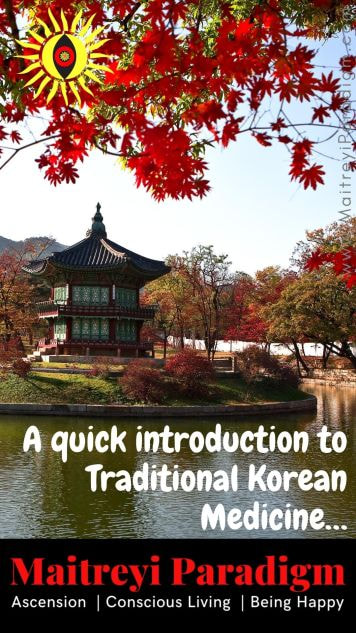
What is Traditional Korean Medicine? (Introduction to Alternative Therapies- Natural Healing series)

7/21/2022

0 Comments

 
​Traditional Korean medicine is a method of medicine that originated in Korea that focuses on finding out how a disease started, instead of simply finding out how to cure it. Korean medicine is similar to Traditional Chinese Medicine (TCM) in that it looks to create balance between yin and yang. Aside from dealing with the symptoms of a disease, traditional Korean medicine looks to get rid of the actual cause of the disease in its relation to yin and yang itself. 
 
There are many methods and therapies involved in traditional Korean medicine, such as herbal remedies, cupping, acupuncture and moxibustion. These methods have been used for thousands of years in order to cure ailments and their underlying causes. 
Picture
​Just like the Chinese use of life-force Chi in their medicine, Korean traditional medicine also focuses on the links between the human body and the nature surrounding it. In traditional Korean medicine, a disease is treated by finding the root of the problem in the body and from nature itself. 

The most common prescription with traditional Korean medicine comes from plants and herbs. It is believed that these herbs and plant extracts have properties and nutrients that are chemically compatible with the human body and that they are much more adaptable to our bodies than artificial substances such as modern medicine. 
 
The herbs and plants are meant to work from the inside out and treat the body by encouraging the immune systems functions and to decrease the risk of disease spreading or causing harm to the body. Herbal medicine can come from a variety of natural resources such as fungus, plants, flowers, trees, moss, algae and seaweed. The entire plant can be used for different types of problems, ranging from the flowers to the seeds or roots of the plant. 
 
Varieties of herbal medicine for consumption come in forms such as dried, fresh or as it is in its natural and whole state. Remedies that are used on the exterior can come in the form of oils, creams, gels and so on. 
 
Acupuncture is the procedure in which thin needles is used to get rid of problems by applying them on certain pressure spots on the body. It has been found to increase the flow to chi. Moxibustion is another procedure, which uses heat on the body through instruments such as a stick. The heat is not enough to burn the skin but it helps reach the pressure points to encourage blood flow.
 
Meditation and aromatherapy are other popular methods of traditional Korean medicine. 

continue reading...

  • What is Acupressure and how it can help to maintain your wellbeing... 
  • What is Qigong? How can you benefit from this natural method of wellbeing... ​
  • What is Tai Chi? How can you benefit from this natural method of wellbeing... ​
  • How ancient Japanese healing system of Shiatsu  can help you... 
  • What is iChing? - A spiritual divination method from ancient China
Picture
0 Comments

How is illness caused according to Tibetan Medicine?

1/15/2022

0 Comments

 
Similar to Ayurvedic Medicine, Tibetan Medicine is based upon knowledge of the bodily energies or juices and good health is supposed to be based on the balance between these three energies These three energies being- Wind- The energy of movement, Bile- The fire of life and Phlegm- The fluid element. ​
Picture
These bodily juices and energies are not physical in nature but also have psychological and spiritual connotations. When these three energies are in balance, good health is obtained BUT when they go out of balance various illnesses arise, depending on the energy/ bodily juice that is out of balance. 

These three energies/bodily juices are supposed to go out of balance due to various factors- namely physical, environmental & seasonal factors and also spirit poisons such as greed, hate and ignorance or suppression leading to a spiritual blindness. 
​
Hence the psychological aspects of the balance are noted from the fact that these bodily juices/energies can be out of balance due to wrong thinking and straying from the right and healthy spiritual path of devotion and prayer. 

In addition, wrong diet, bad karma, bad climatic conditions, unfavorable influence of stars and spirits and demons are also supposed to cause this energy/bodily juices imbalance, thus causing sickness & ailments.

In this way, Tibetan Medicine, does not view an illness as merely a ‘result’ of some cause, but takes a wholistic view- which considers various aspect of our human existence. It truly considers the connection as well as the interdependencies of our mind, body and spirit connection. 

Because of this Tibetan Medicine attempts to heal the complete- i.e. whole person and not just ‘cure’ some ailment!!

Read further:

  • ​​Introduction to Tibetan Medicine- an alternative way to health & healing
  • What are the healing principles of Tibetan Medicine? i.e. How does healing happen with Tibetan Medicine?
  • 11 Amazing Thought Provoking Quotes by Gautama- The Buddha
  • Understanding the Basics of Buddhism and The Four Truths which lead to Nirvana (Enlightenment)
  • ​What are the spiritual benefits of hoisting and displaying the Tibetan Prayer Flags?
Picture
0 Comments

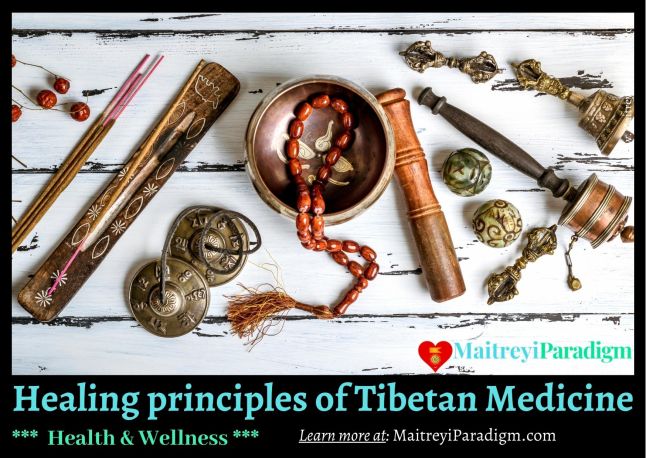
What are the healing principles of Tibetan Medicine? i.e. How does healing happen with Tibetan Medicine?

1/12/2022

0 Comments

 
Similar to the ancient healing science from India, Ayurveda, The Tibetan System of classification is based on the five elements. 

Which is to say, the Tibetan Medicine systems also believes that our bodies like nature, are made up of the five elements namely- Air, Fire, Water, Earth and Space. These constituents in turn make our body and our bodily juices/energies and thus need to be balanced to achieve good health. ​
Picture
​Air represents the neutral property, Fire the hot property and the Water/Earth represents the cold property and they represent the Wind, Bile and Phlegm bodily energies respectively. 

Each of these elements also has eight active forces such as heavy, oily, cool, dull, light, harsh, hot and sharp. Each of these elements also have some of these seventeen qualities namely, heavy, stable, dull, dry, fluid, cool, hot, sharp, oily, harsh, light, supple, pale, cold, gentle, smooth and flexible. 

The various interplay of these eight active forces and these seventeen qualities; increases or decreases the Bodily energies and thus brings about imbalance, further leading to illnesses and ailments.

So, in the Tibetan Medicine system, the methods of diagnosis involve Pulse Diagnosis as a primary and very important method. The right and the left wrist show the state of health or problem for various organs and these are noted differently for men and women. 
​
The second method of diagnosis is Urine Analysis and the third method is Tongue Diagnosis. 

Treatment in Tibetan Medicine involves, dispensing various medicinal herbs, which are carefully chosen to have the energies, and qualities that are in imbalance so as to bring about the required balance and thus good health to the patient. 
​
In addition, diet and lifestyle changes are also a mandatory part of a successful treatment. 

Moxibustion, and rituals such as Cupping, Cauterization & Blood Letting are also very well-known and often used treatment methods used particularly in detoxification, circulatory problems, injuries, bruising and inflammations.  

In addition to these, there are other methods which are occasionally used such as acupuncture, particularly with gold needles as well as spiritual and religious rites such as special prayers and so on.

Tibetan Medicine does view the whole person as a deep connection of mind-body-spirit.

And because of this, such spiritual practices such as prayer, mantra chanting (a form of sound healing), other healing sounds like from the Tibetan singing bowls and other such traditional methods also form part of the entire healing session and mode of treatment.

Read further:

  • ​​Introduction to Tibetan Medicine- an alternative way to health & healing
  • 11 Amazing Thought Provoking Quotes by Gautama- The Buddha
  • Understanding the Basics of Buddhism and The Four Truths which lead to Nirvana (Enlightenment)
  • ​What are the spiritual benefits of hoisting and displaying the Tibetan Prayer Flags?
Picture
0 Comments

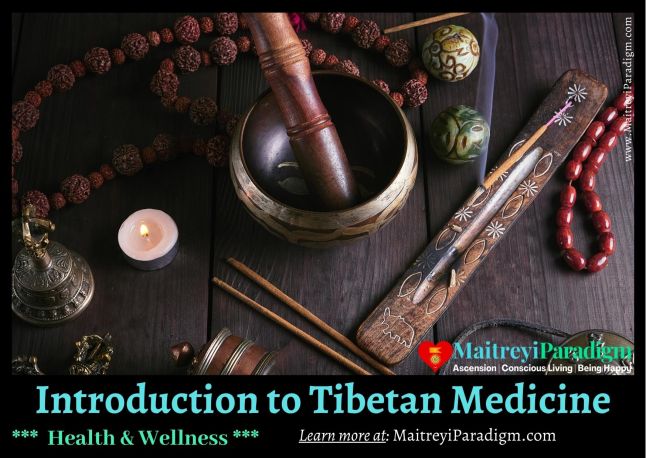
Introduction to Tibetan Medicine- an alternative way to health & healing

1/11/2022

0 Comments

 
Tibetan Medicine is an ancient method of health and healing. It has origins in the ancient Vedic science of healing from India, called Ayurveda. It is believed that the Buddha himself had given this medicinal knowledge during his teachings. In this regard, The Buddha is better known as “The Medicine Buddha”. 
​
The Medicine Buddha is regarded as the greatest healing and the King of Aquamarine Light and thus is given the highest respect and revered with love and devotion. It is believed that the Medicine Buddha has the healing knowledge to address all the possible 404 illness that can inflict our human system (mind, body and spirit).
Picture
​Tibetan Medicine treats the entire mind-body and spirit realm of the patient, as against of only the body, which is typically the case of modern medicine and the min-body, which is the case of traditional herbal medicine. In recent years as people are looking for healing alternatives that are natural and more in tune with our bodily systems, Tibetan Medicine has gained much recognition (and rightly so) in recent years!
​
The energy as well as spiritual aspect of sound, colors, aroma and so on play an important role in enhancing the medicinal herbs that are administered to a person. This helps to effectively bring about a wholistic healing experience for the person.

It is the tantric master, Yuthog Gonpo, who added some more informative data to the original medical texts to bring the relevance in tune with the then current times to give the Four Tantras. These Four Tantras form the basis of the Tibetan Method of healing and looking at body types and their associated ailments. 

These Tantras possess a character, similar to the Huangdi Neijing of the Chinese Medicine or the Samhitas of the Ayurvedic Medicine. The four Tantras utilize the knowledge of the three-fold nature of the bodily energies along with Chinese Astrology and Pulse Diagnosis method to address the entire person and the ailment in specific to bring about the required cure. 

Each of the four Tantras examines the medical knowledge of healing from different perspectives- ultimately bringing about a wholistic healing experience!

Read further:

  • ​​11 Amazing Thought Provoking Quotes by Gautama- The Buddha
  • Understanding the Basics of Buddhism and The Four Truths which lead to Nirvana (Enlightenment)
  • ​What are the spiritual benefits of hoisting and displaying the Tibetan Prayer Flags?
Picture
0 Comments

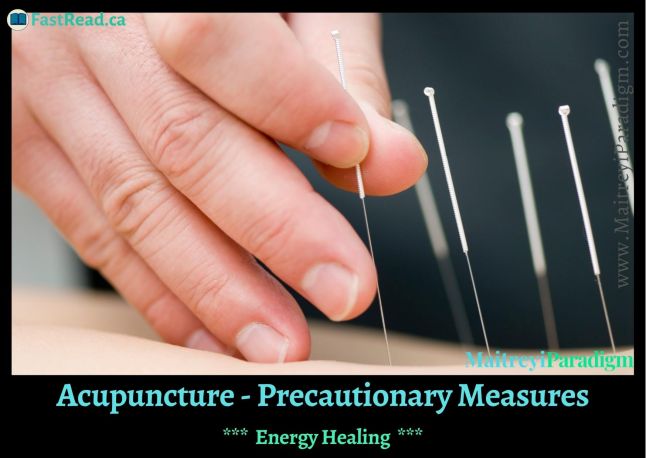
What are some of the Precautions Which Need to be Taken During Acupuncture?

12/20/2021

0 Comments

 
Acupuncture is a form of Traditional Chinese Medicine, or TCM, which involves the use of fine needles to apply pressure on specific points in the body. When performed by a professional and well-trained acupuncturist, acupuncture is one of the most beneficial forms of treatment in curing pain and underlying ailments. It is a safe procedure that has been found to be extremely effective. While it is mostly used in Asia, many westerners have started to adopt the use of acupuncture as either a last means in curing a problem or several times annually to make sure the body is working well. ​
Picture
It is very rare to hear stories of any bad side effects from acupuncture. However, various conditions can call for necessary precautions and sometimes encourage a different approach.

​Precautions must be taken if the patient is pregnant, since acupuncture cannot be performed on the lumbosacral or abdominal region during this time. They will also not receive treatment to areas that affect the uterus. The same goes for women who are currently experiencing menstruation.


Before an acupuncturist begins there is always a time to consult and find out what the problem is and what can be improved in the body. Acupuncturists are told not to treat patients that are too full of food, hungry, overly tired, intoxicated and overly anxious or nervous. Patients that have weaker bodies due to complications are given a softer treatment, which involves more gentle needlework and application. 

If you have a history of blood coagulation, random bleeding or hemorrhages then the acupuncturist will suggest acupressure instead of needle usage.

Acupuncture is not to be performed in parts that are infected and scarred or places that have tumors or ulcers. It is the acupuncturist’s job to know the exact angle and depth required for the needle at different spots, especially when it comes to areas of the neck, eyes, back and chest, as well as anywhere near major blood vessels or major organs. 


During the session, the acupuncturist will insert individual needles to specific points in the body and will twist or turn the needle to create feelings ranging from tension to numbness to heaviness. After each area reaches the desired feeling, the patient will have to rest for a while with the needles sitting in the skin. It is common for patients to have a nap and wake up rejuvenated, due to acupunctures significant effect on the nervous system.

Read further:

  • What is Acupuncture- Traditional Chinese Medicine healing method?
  • What is Acupressure and how it can help to maintain your wellbeing... 
  • What is Qigong? How can you benefit from this natural method of wellbeing... ​
  • What is Tai Chi? How can you benefit from this natural method of wellbeing... ​
  • What is iChing? - A spiritual divination method from ancient China
Picture
0 Comments
<<Previous
    Picture
    ... also check out our
    Vedic Wisdom Blog

    Categories

    All
    Active Lifestyle
    Affirmations
    A Message For You
    Ancient Civilizations
    Ancient Therapies
    Ancient Wisdom
    Angels And Saints
    Animal Wisdom
    Archetypes
    Aromatherapy
    Art Card Journaling
    Arts And Crafts
    Ascension
    Beliefs Or Superstitions
    Bio Based Healing
    Body Based Healing
    Book Excerpts
    Book Summaries
    Brilliant Beings
    Buddhism
    Comfortable Living
    Conscious Living
    Crystal Energy
    Currently In News
    Daoism Or Taoism
    Death And After
    Divine Feminine
    DIY Lifestyle
    Emotional Wellbeing
    Energized Space
    Energy Healing
    Financial Wellbeing
    Flower Messages
    Global Vedic Wisdom
    Green Living
    Guidance
    Healing Activities
    Healing Jewelry
    Healing Music
    Healthy Eating
    Helpful Info Tips
    How To...
    Insights And Intuition
    Inspired Living
    Journaling
    Journey To Oneness
    Joy And Happiness
    Karma
    Life Adventures
    Life Management
    Magical Living
    Meditation
    Mind Body Healing
    Mindfulness
    Money Luck
    Mystic Christianity
    Mystic Islam
    Mystic Judaism
    Natural Living
    Nature Guidance
    Nutritious Foods
    Oracle And Divination
    Original Artworks
    Our Path Our Journey
    Past Life Therapy
    Personal Productivity
    Photon Of Wisdom
    Quantum Spirituality
    Quick Healthy Eats
    Relationships
    Sacred Geometry
    Self Development
    Self Discovery
    Shaman Wisdom
    Short Stories
    Sleep And Dreams
    Soul Connections
    Sounds And Mantras
    Special Messages
    Spiritual Awareness
    Spiritual Lessons
    Spiritual Regression
    Suggestive Prompts
    Tantra
    Think On This
    Tools And Techniques
    Travels And Pilgrimages
    Travel Stories
    Tree Magic
    Videos
    Ways To Energize
    Ways To Relax
    Wealth And Success
    Wellness
    Words Of Power
    Yoga

    Also check out...

    Vedic Wisdom Blog

    Picture
    Picture
    Picture
    Picture
    Picture
    Picture
    Picture
    Picture
    Picture
    Picture

    Stay in touch

    Picture
    Picture
    Picture
    Picture
    Picture
    Picture
    Picture
    Picture
    Picture
    Picture
    Picture
    Picture
    Picture
    Picture
    Picture
    Picture
    Picture
    Picture
    Picture
© Copyright 2025 Sandhya Bhat & ​Macro2Micro Media *** ALL RIGHTS RESERVED *** See Terms & Conditions for details on this site usage.