Maitreyi Paradigm- The Art and Science of Being Happy
  • Home
  • Maitreyi
    • Artistic Expressions
    • The Yogini Journey
    • Magical Paradigm
    • Blog
    • Contact Me
  • Ascension
    • Ascension Insights
    • Energy Dimensions
    • Quantum Ascension
  • Himalayan Masters
    • Ashtanga Yoga
    • Sounds and Music
    • Vedic Wisdom
  • Self-Discovery Journals
    • Books
    • Everyday Use Journal-Notebooks
  • Healing
    • Arts and Crafts
    • Daily Inspiration
  • Magic
    • Crystal Energy
    • Natural Mysticism
    • Inspired Living
  • Lifestyle
    • Green Living
    • Wellness

What is the spiritual significance of Dev Diwali or Dev Deepavali?

11/21/2023

0 Comments

 
Dev Diwali, also known as Dev Deepavali, is a prominent festival celebrated in India, particularly in Varanasi, on the full moon of the Hindu month of Kartika (November-December).

Dev Diwali falls about fifteen days after Diwali and has profound spiritual significance...
  1. Celebration of Lord Shiva's Victory: Dev Diwali is primarily associated with the celebration of Lord Shiva's victory over the demon Tripurasura. Hence this day is also known as Tripurotsav or Tripurari Purnima. It is believed that Shiva killed the demon on this day, and the gods celebrated his victory by lighting diyas (lamps). It symbolizes the triumph of good over evil, light over darkness, and knowledge over ignorance.
  2. Honor to the Gods and Ancestors: This festival is often seen as a Diwali celebration for the gods, hence the name 'Dev Diwali'. People light lamps in honor of the gods and their ancestors, believing that on this night, the gods descend to Earth to bathe in the Ganga. This act is seen as a way to pay homage and show respect to divine forces and ancestral spirits.
  3. Illumination of Ghats in Varanasi: In Varanasi, the ghats (riverfront steps) of the Ganga are spectacularly illuminated with thousands of earthen lamps. This breathtaking sight is believed to offer homage to the Ganga, revered as a holy river and a goddess, and to invite her blessings.
  4. Spiritual Renewal and Purification: Dev Diwali is considered a time for spiritual renewal and purification. Bathing in the Ganga on this day is believed to purify one's soul and bring salvation. The lighting of lamps is also seen as a symbolic act of driving away spiritual darkness and igniting the light of wisdom and consciousness within.
  5. Community Celebrations and Unity: The festival is marked by joyous community celebrations, including cultural programs, fireworks, and boat rides on the Ganga. These communal activities foster a sense of unity, shared heritage, and cultural pride among people.
  6. Reflection and Prayer: Dev Diwali is a time for reflection and prayer. Devotees engage in various religious activities like offering prayers, singing hymns, and performing rituals, seeking divine blessings for health, wealth, and spiritual well-being.

In essence, Dev Diwali is a festival that encapsulates the essence of spiritual enlightenment, the celebration of the divine, respect for natural elements like the river Ganges, and the importance of community and cultural heritage in the spiritual journey. It is a vivid expression of India's rich spiritual and cultural tapestry.
0 Comments

Your comment will be posted after it is approved.


Leave a Reply.

    Picture

    ... also check out
    ​our main Blog

    Picture

    Vedic Wisdom

    Categories

    All
    Aartis And Chalisas
    Arts From Bharat
    Festival Celebrations
    Gods And Deities
    GyanBites
    Help From Vedas
    Inspiring Quotations
    Jyotish For Ascension
    Myths And Beliefs
    Practical Ayurveda
    Prayers And Sadhanas
    Rishis And Sages
    Shloka For The Week
    Stories And Legends
    Tantra Mantra Yantra
    The Bhagavad Gita
    Thought Bytes
    Tools And Methods
    Vedic Archetypes
    Vedic Living
    Vedic Maths
    Vedic Philosophies
    Vedic Science
    Vedic Sounds
    Vedic Symbolism
    Vedic Teachings
    Vedic Technologies
    Vedic Texts
    Vedic Tradition
    Wisdom Bytes

    Picture
    Picture
    Vedic Culture, which   is the culture of the original Himalayan Masters,    is one of the most advanced ancient civilizations.  It is a tradition which has given mankind several treasures such Yoga, Meditation, Conscious-Living and Vedic Sciences such as Ayurveda, Vedic Physics & Vedic Mathematics.

    It was always a scientific culture that understood the very mechanics and workings of this Universe. Their deities, their gods and goddesses were all a way of expressing and explaining these energies and their inter-working. Modern Quantum Mechanics is just starting to understand string theory, dark matter etc. which have all been fundamental to the Vedic understanding. Because of this, they developed ways and methods which allowed one to best tap into life-energy itself.

    Vedic Culture, as it was practiced by the Himalayan Masters, was always a "way of life" and not a religion.

    Their basic view was that, there is only ONE Supreme God-head (God as our creator) and each one of us can find our path to it- experience union with that divinity (Yoga) in their own way.

    Because of this, anyone with any religious affiliations and beliefs can still benefit from their knowledgeable ways of Vedic Wisdom.

    Our attempt here is to present this ancient wisdom in a modern light, so our readers can interpret the true, essential meaning more easily and then extrapolate it to their own specific scenarios and enhance the quality of their life and being-ness.
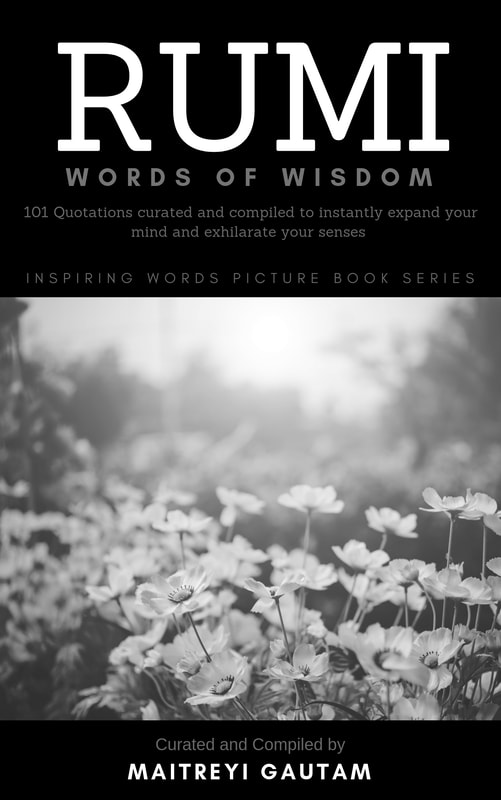
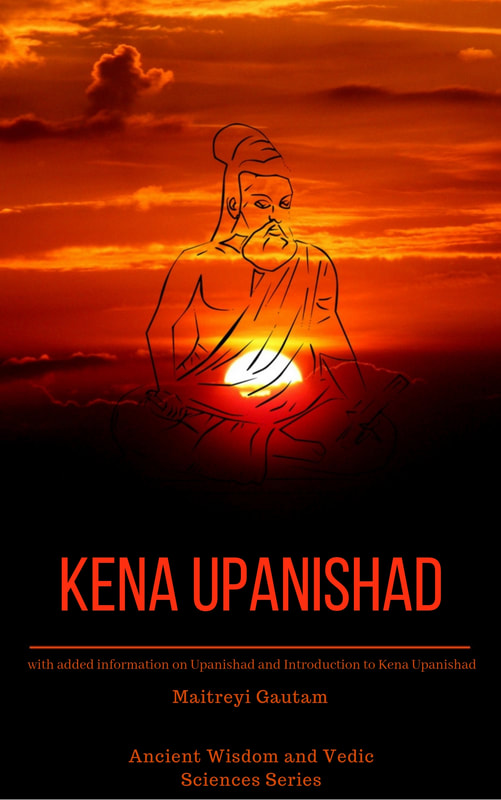
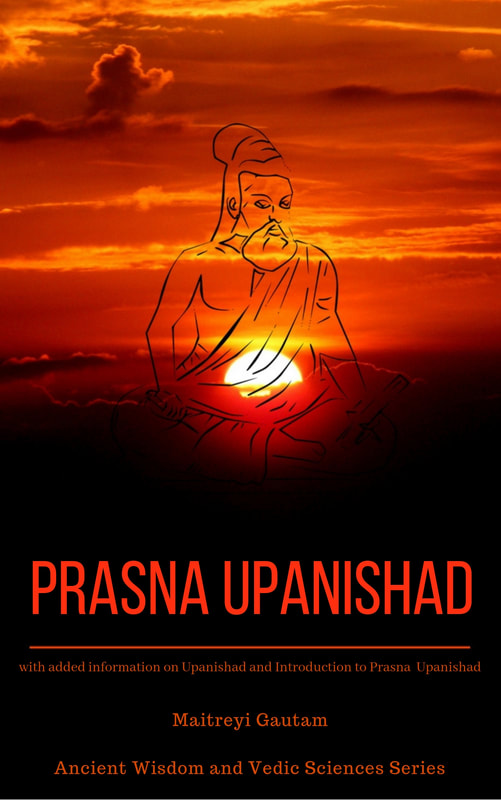
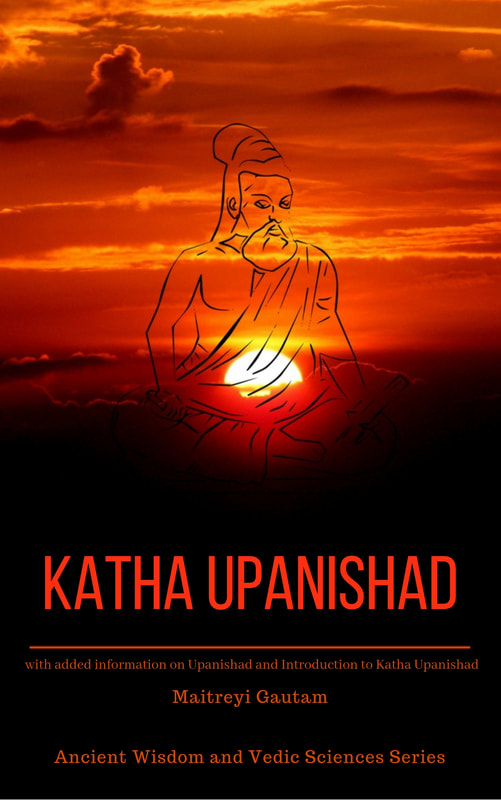
    Check out Maitreyi's latest books...
    Picture
    Picture
    Picture
    Picture
    Picture
    Picture
    Picture
    Picture
    Picture
    Picture
    Picture
    Picture
    Picture
    Picture
    Picture
    Picture
    Picture
    Picture
    Picture
    Picture
    Picture
    Picture
    Picture
    Picture
    Picture
    Picture
    Picture
    Picture
    Picture
    Picture
    Picture
© Copyright 2025 Sandhya Bhat & ​Macro2Micro Media *** ALL RIGHTS RESERVED *** See Terms & Conditions for details on this site usage.